

















Gemstones for Shani Dosha & Sade Sati: Vedic Remedies
The classic gemstone remedy for Shani dosha and Sade Sati is Blue Sapphire (Neelam), Saturn’s stone — worn, after a chart check, to align with Shani’s discipline; Amethyst is a gentler, universally safe alternative. In Vedic astrology, Sade Sati is the roughly seven-and-a-half-year period when Saturn (Shani) transits over and around your natal Moon. It is traditionally seen not as a curse but as a demanding teacher — a time for patience, honest effort and karmic growth — and gemstone remedies are worn to move with Saturn’s energy rather than against it.
Shani dosha & Sade Sati at a glance
| What it is | Saturn (Shani) transiting the 12th, 1st & 2nd houses from your natal Moon |
| Duration | ~7.5 years (three 2.5-year phases); Shani Dhaiya is a 2.5-year mini-period |
| Primary gemstone | Blue Sapphire (Neelam) — only if Saturn is favourable in your chart |
| Gentle alternatives | Amethyst, Lapis Lazuli, Black Tourmaline, Iolite |
| Metal & day | Silver, iron or panchdhatu; Saturday |
| Beej mantra | Om Praam Preem Praum Sah Shanaischaraya Namah (108×, Saturday) |
| Spirit of the remedy | Patience, discipline, honest work — aligning with Saturn, not fighting it |
What are Shani dosha and Sade Sati?
In Vedic astrology, Sade Sati is the period when Saturn transits the 12th, 1st and 2nd houses counted from your natal Moon — about seven and a half years in three phases of roughly two and a half years each. A shorter related period, Shani Dhaiya, is when Saturn moves through the 4th or 8th house from your Moon. Traditionally these are described as times of testing and slowing down, when Saturn asks for patience, responsibility and honest effort. It’s worth holding this gently: astrology describes these as phases of growth and karmic learning, and the remedies below are supportive spiritual practices, not guarantees — many people experience Sade Sati as a period of maturing and quiet strengthening.
Best gemstones for Shani dosha
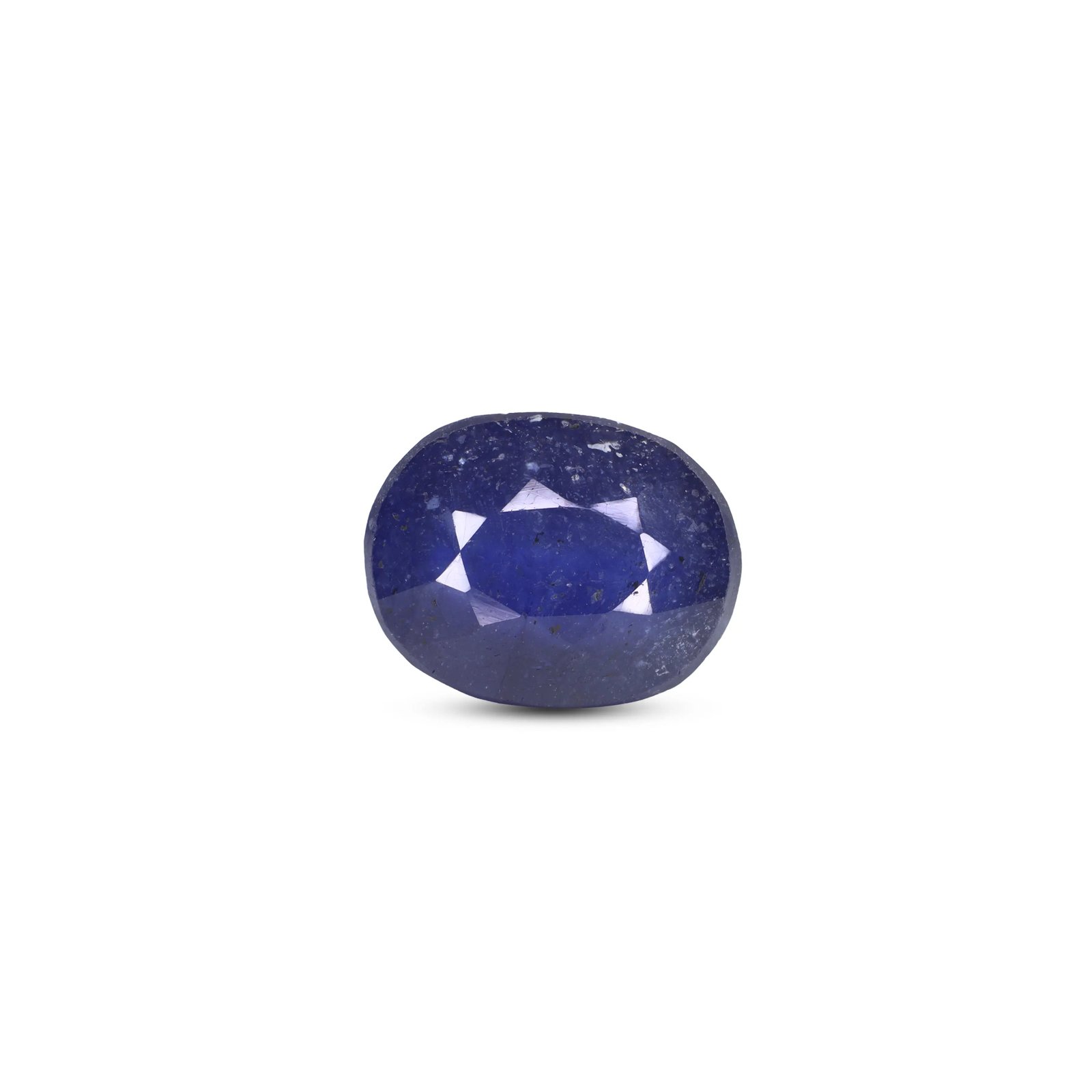
Blue Sapphire (Neelam) — the primary Saturn stone. Neelam is the classical shani sade sati ke upay. Because it is the fastest-acting of the Navratna gems, tradition is firm that it should be worn only if Saturn is favourable in your chart, ideally after a short trial. Explore the certified Blue Sapphire (Neelam) collection and the wider Saturn (Shani) range.
Amethyst — the gentle, universally safe alternative. When Neelam is not indicated, amethyst is the go-to substitute: it carries a calming Saturn-aligned energy and can be worn by almost anyone without the same cautions. See our guide to amethyst bracelet benefits.
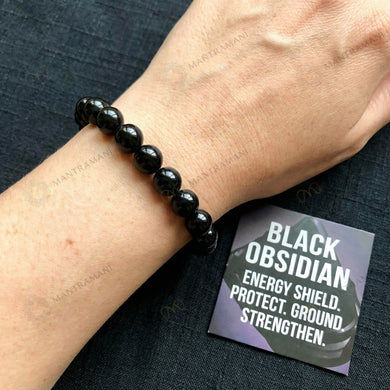
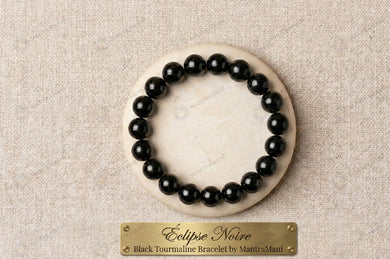
Other supportive stones. Lapis Lazuli, Black Tourmaline and Iolite are also traditionally worn during Shani periods for grounding, protection and steadiness. Browse remedies in the Shani dosha collection and Sade Sati collection.
How to wear a Shani remedy stone
Metal, finger & day: Neelam is traditionally set in silver, iron or panchdhatu and worn on the middle (Saturn) finger of the right hand, first worn on a Saturday evening.
Activation ritual:
- Rinse the stone in clean water (or a little Gangajal) and pat it dry.
- Hold it in both palms, close your eyes, and set a calm intention for patience and steady progress.
- Chant Om Praam Preem Praum Sah Shanaischaraya Namah 108 times before wearing it.
Traditional supporting practices: on Saturdays, many devotees offer sesame oil (til tel) to Shani, wear or donate dark colours, and offer black sesame or iron items in charity. Keeping the West direction of the home clean and uncluttered is a common Vastu suggestion. Every MantraMani Neelam is lab-certified and Vedically energised (abhimantrit) before it ships.
A note of care
Blue Sapphire is powerful and fast-acting, so please treat it as a considered choice rather than an impulse buy — have your chart assessed and, ideally, trial the stone briefly first. If Neelam isn’t right for you, amethyst is a beautiful, low-risk way to work with Saturn’s energy. For a personalised recommendation by your moon sign, our in-house astrologer can help, and our gemstone for your rashi guide is a good starting point.
Frequently asked questions
Which gemstone is best for Sade Sati?
Blue Sapphire (Neelam) is the classical gemstone for Sade Sati and Shani dosha, worn only if Saturn is favourable in your chart. Amethyst is a gentler, universally safe alternative, and Lapis Lazuli or Black Tourmaline are also used for grounding and steadiness.
How do I wear Neelam for Shani?
Traditionally Neelam is set in silver, iron or panchdhatu and worn on the middle finger of the right hand, first worn on a Saturday evening after chanting the Saturn beej mantra. Because it acts quickly, have your chart checked and trial it briefly first.
Can everyone wear Blue Sapphire during Sade Sati?
No — Neelam suits those with a favourable Saturn and should be worn on astrological advice. If it isn’t indicated, amethyst is a safe alternative that anyone can wear to work gently with Saturn’s energy.
Is Sade Sati always negative?
No. In Vedic tradition Sade Sati is a demanding but growth-oriented phase of patience, discipline and karmic maturing. Gemstones, mantras and honest effort are worn and practised to move with Saturn’s energy; they are supportive spiritual practices, not guarantees.
Shop the certified Neelam (Blue Sapphire) → · Which gemstone for your rashi? →
MantraMani gemstone & crystal products are spiritual and wellness items, not medical devices, and are not intended to diagnose, treat, cure or prevent any disease.