







Which Chakra Is Blocked? Stones for Each of the 7 Chakras
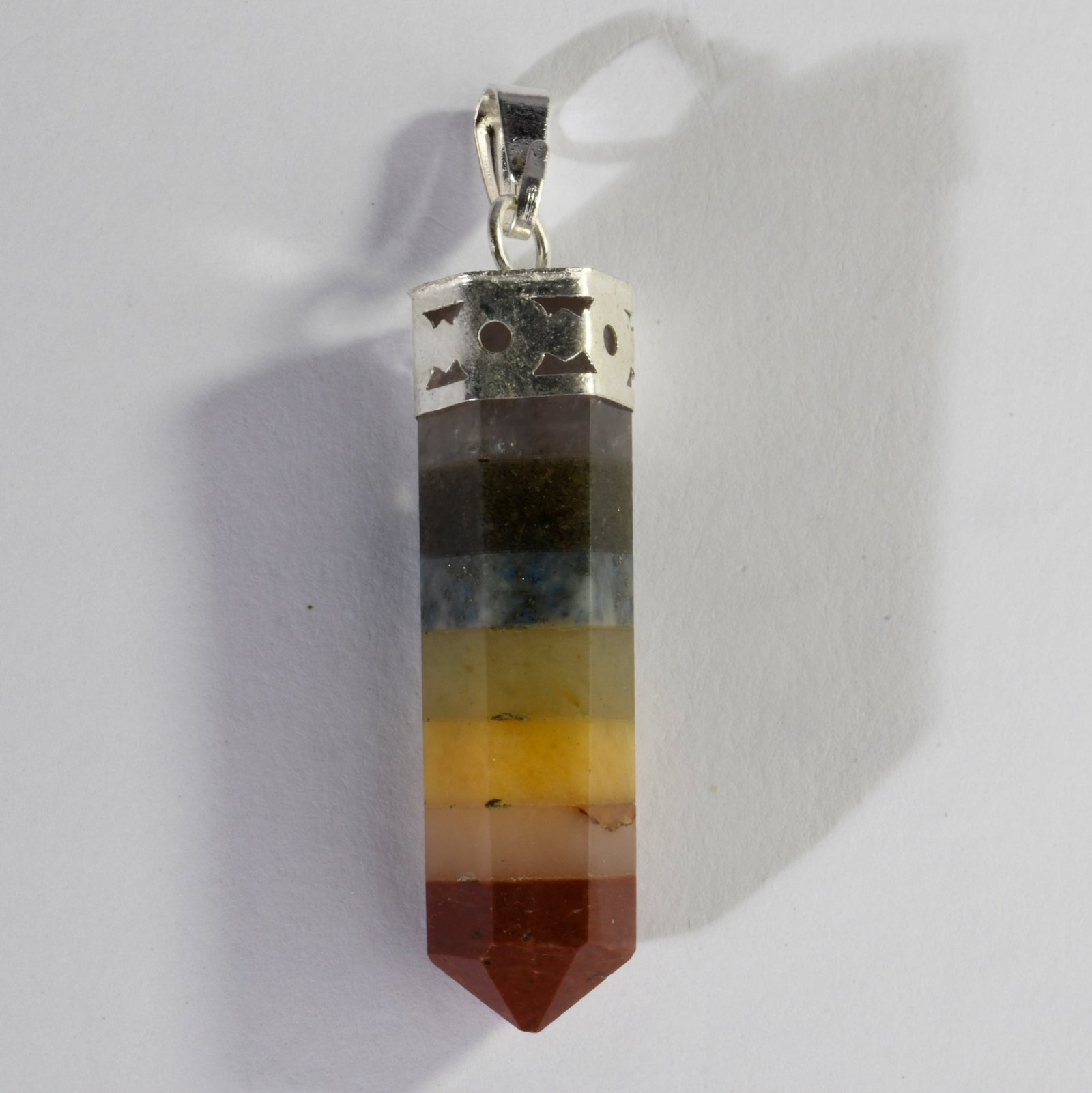
A blocked chakra usually shows up as a specific pattern — feeling ungrounded and anxious points to the root chakra, low confidence points to the solar plexus, difficulty speaking up points to the throat, and so on. In Vedic and yogic tradition, each of the seven chakras has its own colour and a family of chakra healing stones believed to help bring it back into balance. This guide gives you a quick self-check for each centre and the natural, lab-certified stone traditionally paired with it, so you can choose the right piece instead of guessing.
How chakra healing stones are used
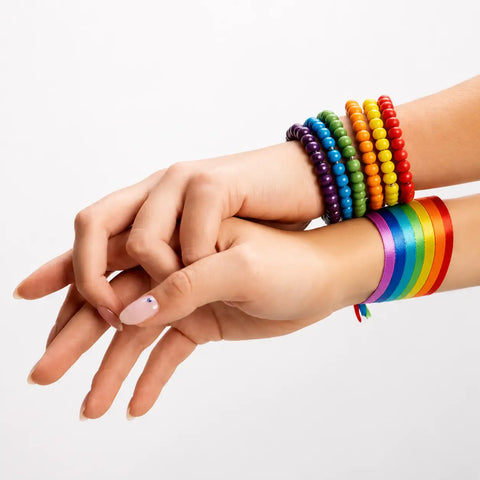
In tradition, a chakra is an energy centre (Sanskrit: chakra, “wheel”) that can feel “blocked” — sluggish, overactive, or out of balance. Chakra healing stones work on the principle of colour resonance: each stone shares the colour of the chakra it supports, and is worn, placed on the body during meditation, or kept nearby to gently encourage that centre back into balance. This is a belief-based, mindfulness practice — the stone is an intention anchor, not a medicine. If you would rather cover all seven at once, a 7 chakra bracelet carries one stone for every centre; this guide is for when you want to target a single one.
Which chakra is blocked? A quick self-check
Read the signs below and notice which line sounds most like you right now. That points you to the chakra to focus on first, and the stone family that traditionally supports it. Browse everything by centre in the shop by chakra hub.
| Chakra (Sanskrit) | Colour | Signs it may feel blocked | Traditional stones |
|---|---|---|---|
| Root — Muladhara | Red | Anxious, ungrounded, insecure, restless | Red jasper, garnet, black tourmaline, red coral |
| Sacral — Svadhisthana | Orange | Creatively stuck, low drive, emotionally flat | Carnelian, tiger eye |
| Solar Plexus — Manipura | Yellow | Low confidence, indecisive, no willpower | Citrine, yellow tiger eye |
| Heart — Anahata | Green / pink | Guarded, resentful, hard to give or receive love | Green aventurine, rose quartz |
| Throat — Vishuddha | Blue | Can’t speak up, unheard, hold words back | Lapis lazuli, sodalite |
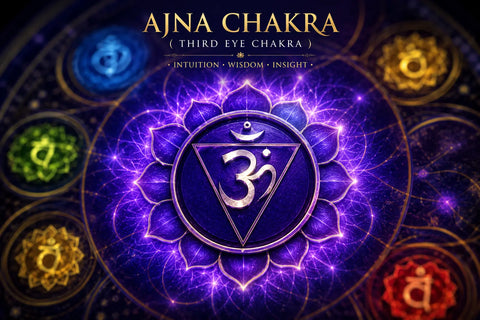
| Third Eye — Ajna | Indigo | Foggy, unfocused, disconnected from intuition | Amethyst, lapis lazuli, iolite |
| Crown — Sahasrara | Violet / white | Cynical, disconnected, mentally scattered | Amethyst, clear quartz, selenite |
Stones for each of the 7 chakras
1. Root chakra (Muladhara) — grounding
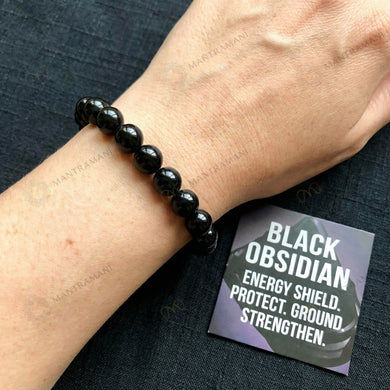
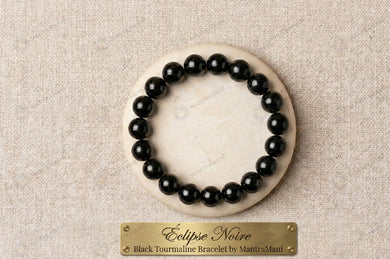
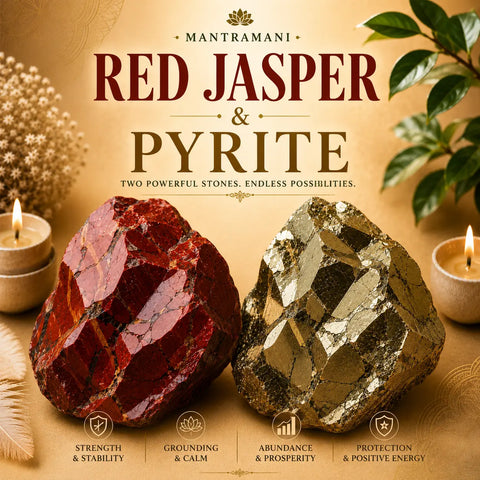
The root chakra sits at the base of the spine and governs your sense of safety and stability (element: Earth). When it feels blocked, people describe anxiety, restlessness, and feeling ungrounded. Traditional stones are deep-red and black: red jasper, garnet, red coral, and black tourmaline for protection. Explore grounding pieces in the root chakra collection.
2. Sacral chakra (Svadhisthana) — creativity
Just below the navel, the sacral chakra rules creativity, emotion and passion (element: Water). Orange carnelian and warm tiger eye are the classic choices when drive or inspiration feels low. See tiger eye bracelets.
3. Solar plexus chakra (Manipura) — confidence
Above the navel, the solar plexus is the seat of willpower and self-esteem (element: Fire). Its stones are sunny yellow: citrine and yellow tiger eye are traditionally worn to support confidence and personal power. Browse citrine for this centre.
4. Heart chakra (Anahata) — love & balance
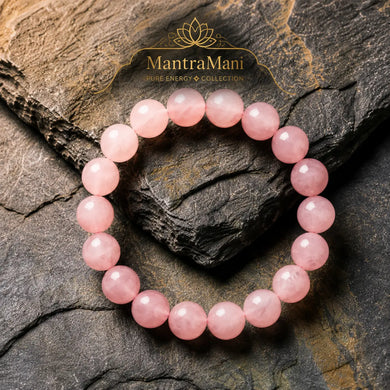
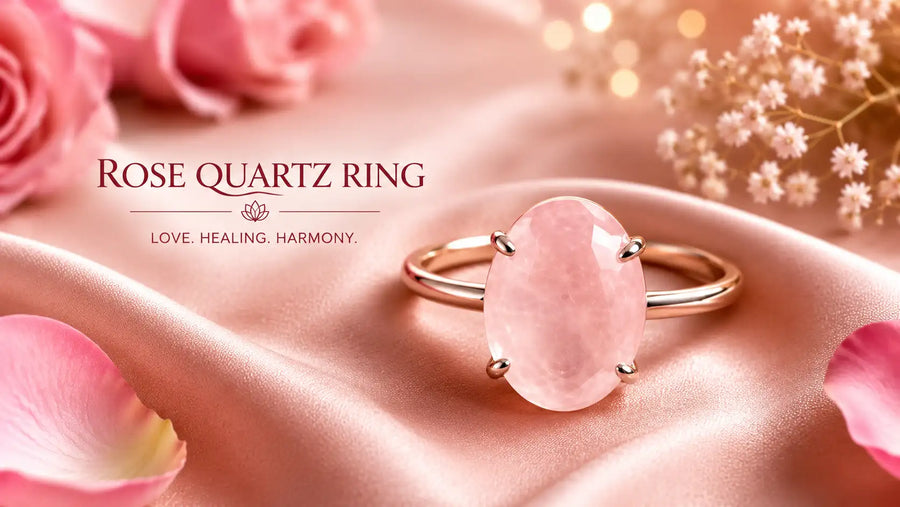
At the centre of the chest, the heart chakra governs love, compassion and connection (element: Air). It responds to green and pink stones — green aventurine for emotional balance and rose quartz for self-love and relationships. Shop the heart chakra collection, or go straight to aventurine and rose quartz.
5. Throat chakra (Vishuddha) — expression
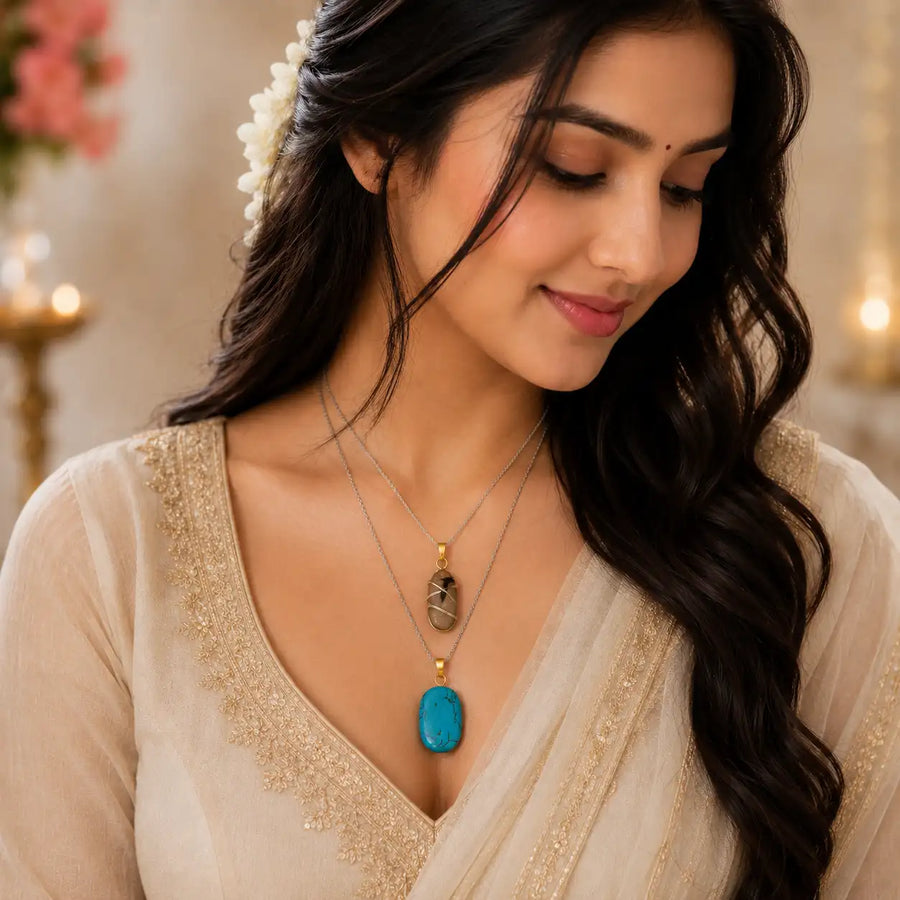
At the throat, this centre governs communication and speaking your truth (element: Ether). Blue stones are traditional here, above all lapis lazuli and sodalite, worn to support clear, honest expression. See lapis lazuli.
6. Third eye chakra (Ajna) — intuition
Between the eyebrows, the third eye rules intuition, focus and inner clarity (element: Light). Indigo-to-violet stones such as amethyst and lapis lazuli are the traditional choices when the mind feels foggy or scattered.
7. Crown chakra (Sahasrara) — awareness
At the top of the head, the crown chakra connects you to higher awareness and peace (element: Consciousness). Violet and clear stones — amethyst, clear quartz and selenite — are traditionally used here. Explore the crown chakra collection, along with amethyst and clear quartz.
How to use your chakra stones
- Wear it: a bracelet keeps the stone in contact with your body through the day as a mindfulness anchor.
- Meditate with it: lie down and place the stone on the matching chakra point while you breathe slowly.
- Set an intention: hold the stone, name what you are working on, and let it act as a reminder.
- Cleanse regularly: reset the stone under moonlight, with sound, or with incense every week or two.
Whichever centre you focus on, the quality of the stone matters. Look for natural, lab-certified stones with slight natural variation rather than uniform dyed beads — MantraMani pieces are natural, certified, and can be energized (abhimantrit) before dispatch. If you would rather balance all seven centres in one piece, start with a 7 chakra bracelet.
Frequently asked questions
How do I know which chakra is blocked?
Notice your dominant pattern. Anxiety and feeling ungrounded point to the root chakra; low confidence points to the solar plexus; trouble speaking up points to the throat; guardedness in relationships points to the heart; and mental fog points to the third eye or crown. Whichever description fits best is the centre to focus on first.
What are the best stones for chakra healing?
Traditionally, each chakra has its own colour-matched stone: red jasper for the root, carnelian for the sacral, citrine for the solar plexus, green aventurine or rose quartz for the heart, lapis lazuli for the throat, amethyst for the third eye, and clear quartz or amethyst for the crown.
Can one stone balance more than one chakra?
Yes. Amethyst is traditionally linked to both the third eye and the crown, and clear quartz is considered a master stone that amplifies and supports every centre, which is why it appears in many chakra sets.
How long does it take to feel a difference?
There is no medical timeline — this is a belief-based, mindfulness practice. Many wearers describe a gradual sense of focus or calm over days or weeks, largely because the stone reminds them to pause and set an intention. Treat it as a supportive habit rather than a treatment.
Should I choose single stones or a full 7 chakra set?
Choose single stones when one centre clearly needs attention, and a 7 chakra bracelet when you want all-round balance or are new to crystals and unsure where to start.
How do I cleanse chakra healing stones?
Cleanse every one to two weeks using moonlight, sound, or incense/sage smoke, then re-set your intention. Avoid long water or salt soaks, which can damage softer stones such as lapis lazuli.
Shop 7 Chakra crystals → · Which gemstone for your rashi? →
Gemstone & astrological guidance reflects traditional Vedic beliefs and is for spiritual/wellness purposes only — it is not medical, legal or financial advice, and MantraMani products are not intended to diagnose, treat, cure or prevent any disease.