












How to Check if a Pukhraj (Yellow Sapphire) Is Real: 7 Tests + Lab Certification
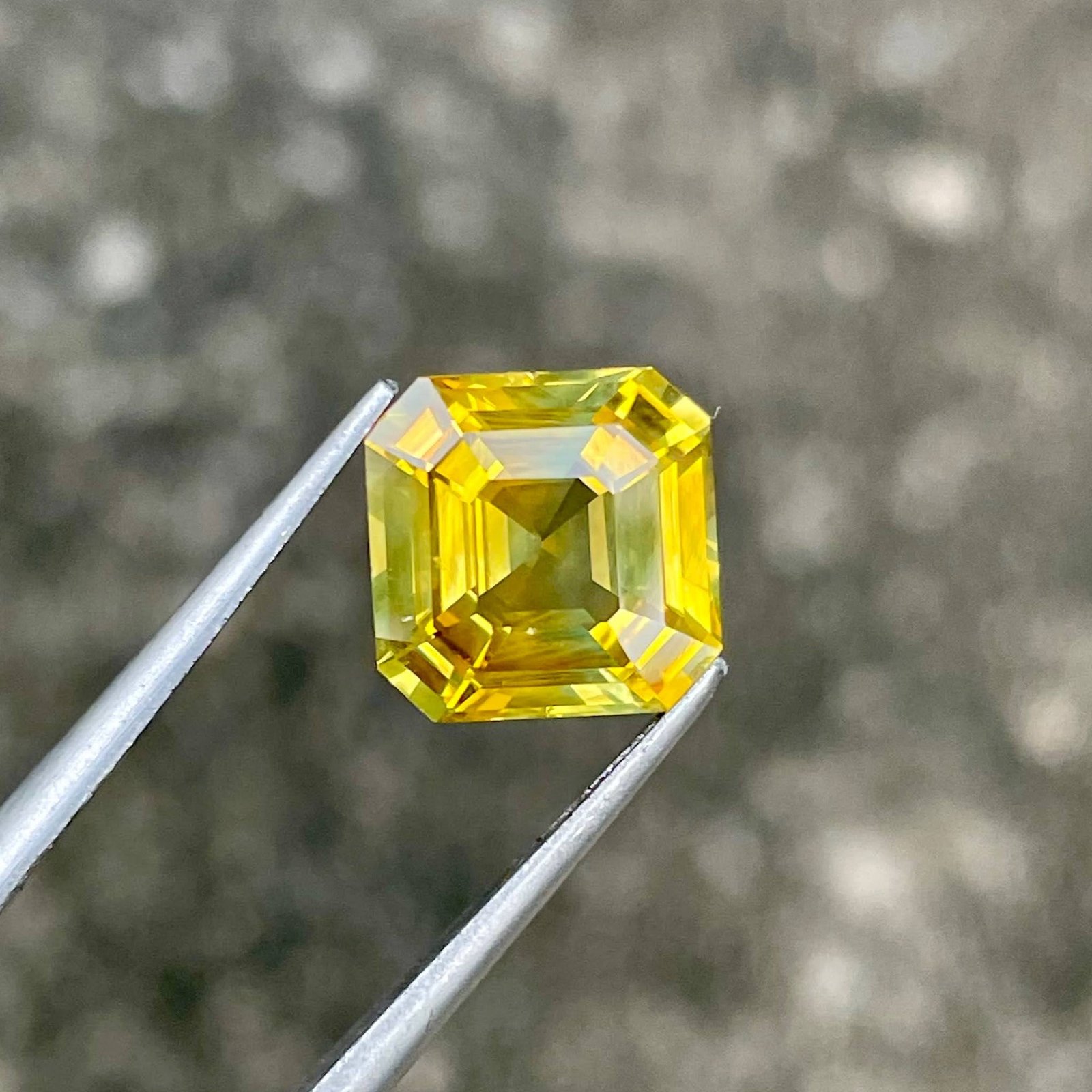
To check if a pukhraj (yellow sapphire) is real, verify three things in order: a lab certificate from a recognised gemological lab (GIA, IGI or the Gemmological Institute of India), the presence of tiny natural inclusions under magnification, and the physical properties of natural corundum — hardness of 9 on the Mohs scale, high density, and double refraction. The single most reliable step is matching a certificate’s weight and measurements to the actual stone in your hand. Below are seven practical tests, plus exactly what a genuine certificate should say, so a first-time buyer can shop with confidence.
What is pukhraj and why authenticity matters
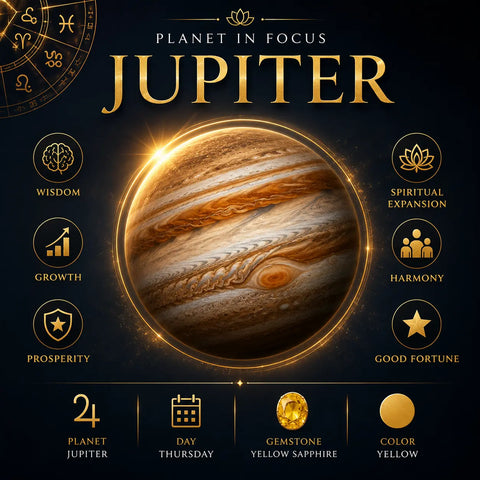
Pukhraj (Sanskrit/Hindi: Peela Pukhraj) is the yellow variety of corundum (aluminium oxide, Al₂O₃) — the same mineral family as blue sapphire (neelam) and ruby (manik). In Vedic astrology it is the gemstone of Jupiter (Guru / Brihaspati), traditionally recommended for the rashis Dhanu (Sagittarius) and Meena (Pisces), and worn on the index finger in gold on a Thursday morning. In tradition it is believed to support wisdom, prosperity and harmony in relationships — which is exactly why it is so widely faked. A real, untreated yellow sapphire commands a genuine per-carat price, so the market is flooded with cheaper substitutes: yellow glass, synthetic (lab-grown) corundum sold as natural, heat-treated or coated stones, and lookalikes such as citrine, yellow topaz or CZ passed off as pukhraj.
Pukhraj at a glance
| Attribute | Detail |
|---|---|
| Stone name | Yellow Sapphire (Pukhraj / Peela Pukhraj) |
| Mineral / composition | Corundum — aluminium oxide (Al₂O₃) |
| Planet (graha) | Jupiter (Guru / Brihaspati) |
| Rashi affinity | Sagittarius (Dhanu), Pisces (Meena) |
| Mohs hardness | 9 (second only to diamond) |
| Specific gravity | ~3.95–4.03 (heavy for its size) |
| Refractive index | ~1.76–1.77, doubly refractive |
| Traditionally worn on | Index finger, gold, Thursday morning |
| Common fakes | Glass, synthetic corundum, citrine, yellow topaz, CZ |
7 tests to check if your pukhraj is original
1. Look for natural inclusions (the flaw test)
A genuine natural yellow sapphire almost always contains microscopic inclusions — fine “silk” needles, feathers, or tiny mineral crystals formed over millions of years. Under a 10x loupe these look like faint internal lines or wisps. A stone that is flawlessly clear with zero inclusions, especially at a low price, is usually glass or synthetic. Ironically, a few natural inclusions are a good sign of authenticity, not a defect.
2. The bubble test for glass
Hold the stone to light under magnification and look for round air bubbles. Gas bubbles are a classic giveaway of moulded glass imitations; natural corundum never contains spherical air bubbles. Swirl marks or a “honey-like” internal flow pattern also point to glass.
3. Hardness & scratch resistance
Corundum sits at 9 on the Mohs scale — harder than glass, quartz, topaz and citrine. A genuine pukhraj will scratch a glass surface without being marked itself. This is a supporting clue, not a standalone proof (never scratch a stone you haven’t bought), but a “yellow sapphire” that scratches easily is not corundum.
4. Density & the cool-touch test
Real sapphire is dense (specific gravity ~4.0) and feels noticeably heavy and cool for its size, warming slowly against the skin. Glass and plastic feel lighter and warm up almost instantly in the hand.
5. Double refraction (a lab check)
Corundum is doubly refractive: viewed through the stone, facet edges can appear slightly doubled. Glass and CZ are singly refractive. A gemologist confirms this instantly with a refractometer or polariscope — which is why lab testing beats any home test.
6. The traditional milk & sunlight tests (belief, not proof)
Older Vedic texts describe placing a pukhraj in milk or observing whether it “emits yellow rays” in sunlight. These are traditional beliefs, not scientific tests — a coloured glass bead can pass them too. Treat them as folklore, and rely on gemological verification for a real buying decision.
7. Certificate cross-check (the decisive test)
The most reliable check is a lab certificate whose stated carat weight and millimetre dimensions match the actual stone. Weigh and measure the gem, then compare. A mismatch means the certificate belongs to a different stone. More on reading a certificate below.
Real vs fake pukhraj: quick comparison
| Signal | Genuine natural pukhraj | Fake / imitation |
|---|---|---|
| Inclusions | Tiny natural silk, feathers, crystals | Perfectly clean, or gas bubbles / swirls |
| Hardness | Mohs 9, scratches glass | Softer, marks easily |
| Weight / touch | Heavy, cool, warms slowly | Light, warms instantly |
| Refraction | Doubly refractive | Glass/CZ singly refractive |
| Colour | Even, natural yellow; no dye pooling | Dye concentrated in cracks; over-saturated |
| Paperwork | Lab certificate, dimensions match | No certificate, or details don’t match |
Lab certification: what a genuine pukhraj certificate should show
For an astrological gemstone you plan to wear, insist on a certificate from a reputable independent lab — internationally GIA (Gemological Institute of America) or IGI (International Gemological Institute), and within India the Gemmological Institute of India (GII). A trustworthy report will state:
- Identification: “Natural Yellow Sapphire” — the words natural and the species corundum should appear. Watch for “synthetic” or “lab-grown.”
- Weight & measurements: exact carat weight and millimetre dimensions you can verify against the stone.
- Treatment disclosure: whether the stone is unheated/untreated or heat-treated. Astrologers traditionally prefer natural, untreated (“no heat”) pukhraj.
- Origin & cut: country of origin where determinable, and cut/shape.
- A verifiable report number: cross-check it on the lab’s official website database.
At MantraMani, our certified yellow sapphire (pukhraj) collection is sold as natural stone with lab documentation and energization (pran-pratishtha) before dispatch — the verifiable trust signals that matter far more than any single benefit claim. If you prefer to compare individual carat-weighted stones, browse our loose certified gemstones, or explore the full Jupiter (Guru) gemstone range for Dhanu and Meena rashi. Yellow sapphire’s corundum cousin, blue sapphire (neelam) for Saturn, follows the same authenticity rules.
Buyer checklist before you pay
- Ask for the lab certificate and confirm it says “natural.”
- Weigh and measure the stone against the certificate.
- Inspect under a loupe for natural inclusions (and rule out bubbles).
- Verify the report number on the lab’s website.
- Prefer a seller who states sourcing, treatment and offers a return window.
For the seed-bead equivalent of this trust process, see our sister guide: How to Identify Original Rudraksha: The Complete Authenticity Guide. You can also browse authenticity-first options across the entire shop by stone range.
Frequently asked questions
How can I check if a pukhraj is original at home?
Use a 10x loupe to look for tiny natural inclusions (good) and to rule out air bubbles (glass). Check that it feels heavy and cool, scratches glass, and — most importantly — that its weight and dimensions match its lab certificate. Home tests narrow it down; a lab confirms it.
Which lab certificate is best for yellow sapphire in India?
Reports from GIA or IGI are internationally respected, and the Gemmological Institute of India (GII) is well recognised locally. Always cross-check the report number on the lab’s official website and confirm the certificate lists the stone as “natural.”
Does a real pukhraj have flaws or inclusions?
Yes. Most genuine natural yellow sapphires contain microscopic inclusions such as silk or feathers. A completely flawless, very cheap stone is more likely to be glass or synthetic corundum than a real natural pukhraj.
Is heated (treated) yellow sapphire still real?
Heat-treated sapphire is still genuine corundum, but many astrologers prefer natural, untreated (“no heat”) pukhraj for astrological use. Whatever you choose, the certificate should disclose the treatment clearly so you know what you are buying.
What is the difference between pukhraj and citrine?
Citrine is a variety of quartz (Mohs 7) and is far more affordable; pukhraj is corundum (Mohs 9) and is Jupiter’s astrological gemstone. Citrine is sometimes mis-sold as “yellow sapphire” — the hardness, density and certificate will reveal the difference.
Shop certified Pukhraj (Yellow Sapphire) → · Which gemstone for your rashi? →
Gemstone & astrological guidance reflects traditional Vedic beliefs and is for spiritual/wellness purposes only — it is not medical, legal or financial advice, and MantraMani products are not intended to diagnose, treat, cure or prevent any disease.