










Dhanteras 2026: Which Gemstone to Buy for Your Rashi (7 November)
Dhanteras 2026 falls on Saturday, 7 November. It opens the five days of Diwali and is, by a wide margin, the busiest buying day of the Indian year for gold, silver and gemstones. If you are planning to buy a stone this Dhanteras, this guide covers the stone traditionally associated with your rashi, what to buy at each budget, and the checks worth making before you hand over money.
Dhanteras 2026: the essentials
| Date | Saturday, 7 November 2026 |
| Also called | Dhanatrayodashi, Dhanvantari Trayodashi |
| Traditionally bought | Gold, silver, brass and steel vessels, gemstones, brooms, Lakshmi-Ganesh idols |
| Falls on | A Saturday — traditionally considered favourable for Shani-related purchases |
| Followed by | Kali Puja / Diwali on Monday 9 November, Bhai Dooj on Wednesday 11 November |
The exact puja muhurat shifts by city, because it is calculated from local sunset. Check a panchang for your own city closer to the date rather than relying on a national timing.
Why gemstones are bought on Dhanteras
The custom is old and straightforward: Dhanteras is the day the household is traditionally said to welcome prosperity, and durable, valuable objects are brought into the home to mark it. Gemstones sit in that category alongside metals.
In Vedic astrology a gemstone is not treated as a general-purpose lucky charm. Each stone is associated with a planet, and each rashi with a ruling planet, so the stone traditionally recommended to you depends on your moon sign — your rashi — and not your birth date in the Western zodiac sense. If you are unsure which is which, our Rashi Ratan buying guide explains the difference in plain terms.
Your Dhanteras gemstone by rashi
This is the classical mapping — rashi to ruling planet to stone. Each row links to a full guide for that sign.
| Rashi | Ruling planet | Traditional stone | Full guide |
|---|---|---|---|
| Mesh (Aries) | Mangal / Mars | Red Coral (Moonga) | Aries gemstone guide |
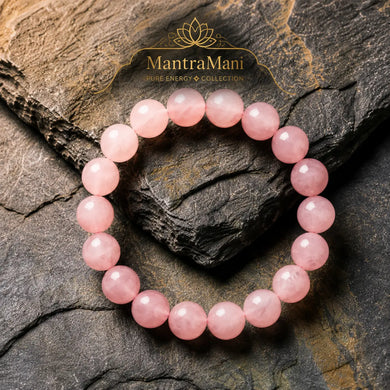
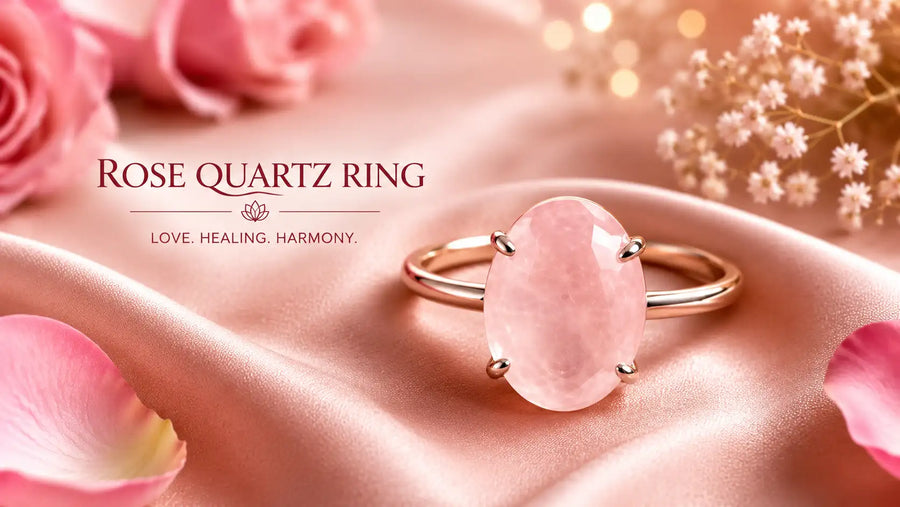
| Vrishabh (Taurus) | Shukra / Venus | Diamond (Heera); Rose Quartz as the accessible alternative | Taurus gemstone guide |
| Mithun (Gemini) | Budh / Mercury | Emerald (Panna) | Gemini gemstone guide |
| Kark (Cancer) | Chandra / Moon | Pearl (Moti) | Cancer gemstone guide |
| Simha (Leo) | Surya / Sun | Ruby (Manik) | Leo gemstone guide |
| Kanya (Virgo) | Budh / Mercury | Emerald (Panna) | Virgo gemstone guide |
| Tula (Libra) | Shukra / Venus | Diamond (Heera); Rose Quartz as the accessible alternative | Libra gemstone guide |
| Vrishchik (Scorpio) | Mangal / Mars | Red Coral (Moonga) | Scorpio gemstone guide |
| Dhanu (Sagittarius) | Guru / Jupiter | Yellow Sapphire (Pukhraj) | Sagittarius gemstone guide |
| Makar (Capricorn) | Shani / Saturn | Blue Sapphire (Neelam) | Capricorn gemstone guide |
| Kumbh (Aquarius) | Shani / Saturn | Blue Sapphire (Neelam) | Aquarius gemstone guide |
| Meen (Pisces) | Guru / Jupiter | Yellow Sapphire (Pukhraj) | Pisces gemstone guide |
A note of caution that most Dhanteras listicles skip: Neelam (Blue Sapphire) is the one stone traditionally advised against wearing without a chart reading. Vedic practice holds that it acts quickly and is not suited to everyone born under Makar or Kumbh. If your rashi points to Neelam, read the Neelam guide first, or start with an alternative stone.
If you do not know your rashi
Your rashi is your moon sign, calculated from your birth date, time and place. If you have never had it worked out, use the MantraMani Gemstone Finder — it asks for those three details and returns the traditional stone for your sign, with no charge and no account needed.
What to buy if you are not buying a gemstone
Not every Dhanteras purchase has to be a certified stone. Three categories are bought at least as often, and all are traditionally kept in the home rather than worn:
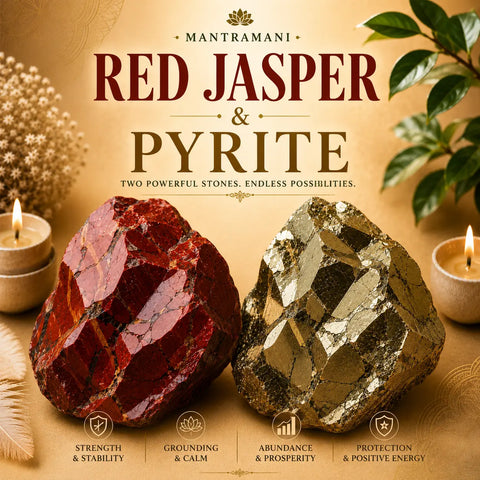
- Gemstone trees — wire trees set with chips of a single stone, traditionally placed in the north or south-east of the home. Pyrite, green aventurine and tiger eye are the usual Dhanteras choices. Roughly ₹900–₹1,700.
- Vastu pyramids — placed rather than worn; pyrite is the traditional Dhanteras stone here.
- Crystal frames and Lakshmi-Ganesh pieces for the puja room.
Budget guide
| Budget | Sensible Dhanteras buy |
|---|---|
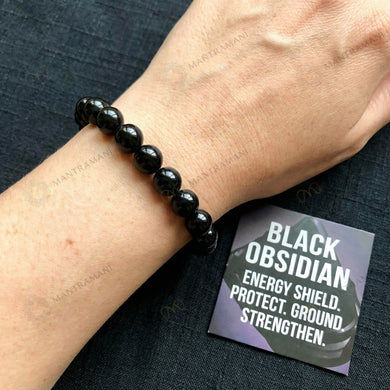
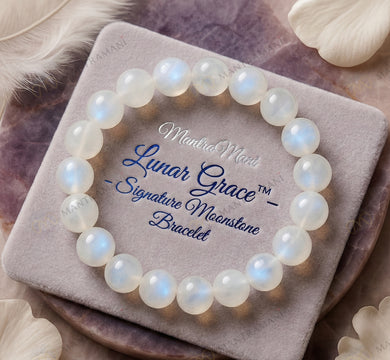
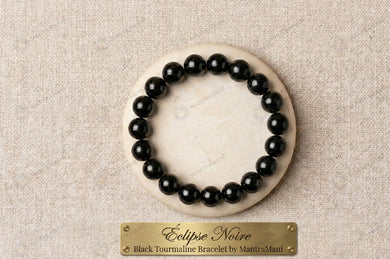
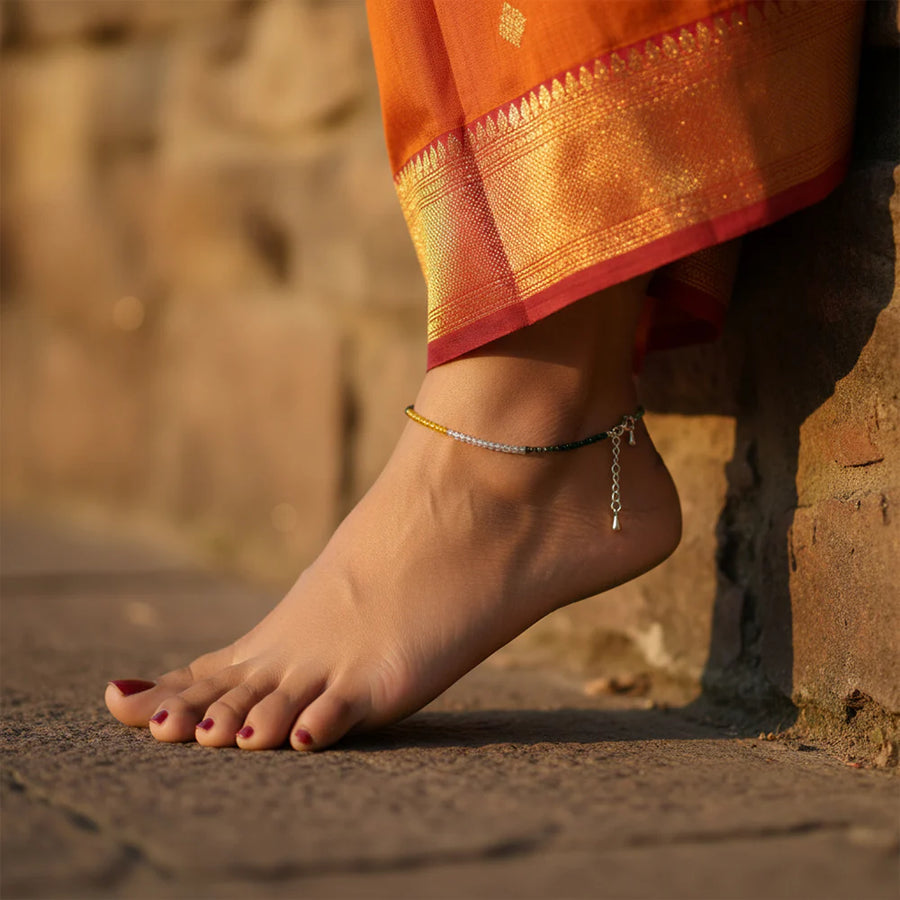
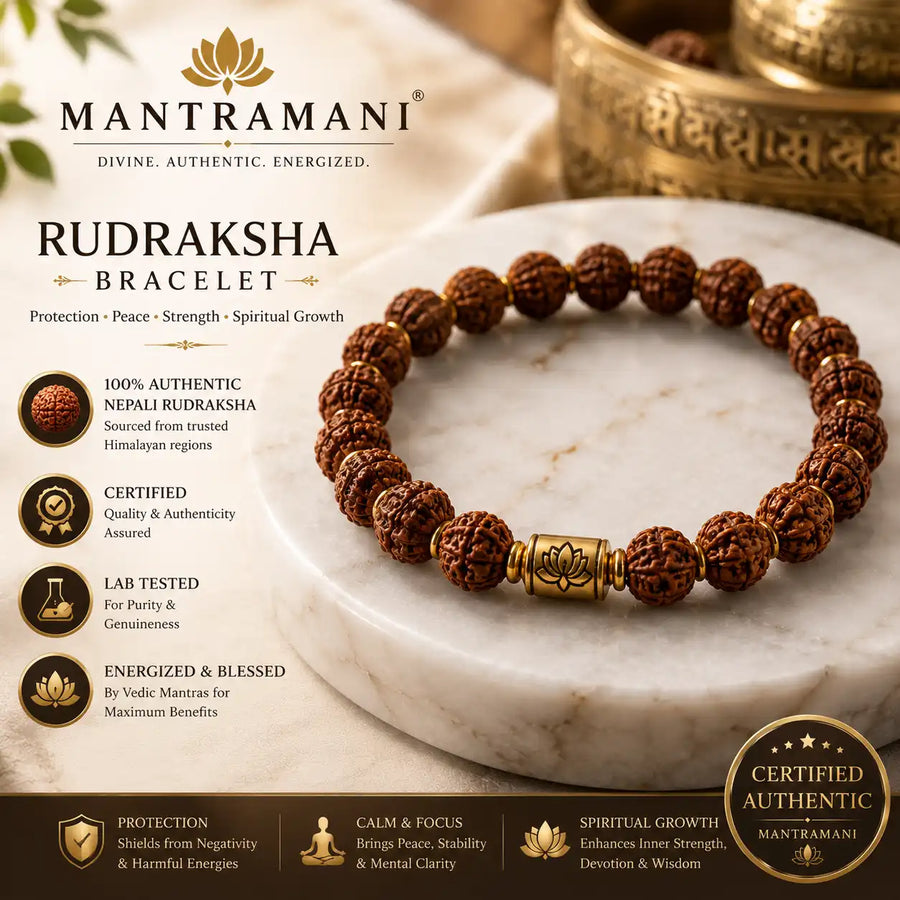
| Under ₹1,000 | A single-stone bracelet or anklet in your rashi stone, or an evil eye tree. Most MantraMani bracelets sit in the ₹749–₹899 band. |
| ₹1,000–₹2,000 | A gemstone tree or Vastu pyramid for the home, or a bracelet-and-pendant pair. |
| ₹2,000–₹5,000 | A silver-set ring in a semi-precious stone, or a starter kit combining a bracelet, a pyramid and a certificate. |
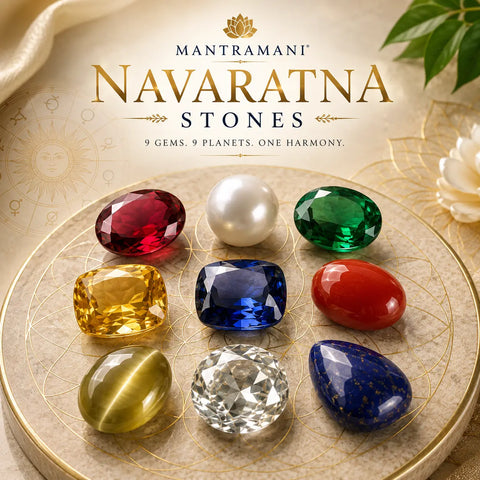
| ₹10,000+ | A certified loose gemstone in one of the navratna stones, bought for long-term wear and ideally after a chart reading. |
Five checks before you pay
- Ask what the stone actually is. “Firoza” is sold as everything from Iranian turquoise to dyed howlite. “Jade” is frequently dyed quartz. The seller should name the mineral, not just the trade name.
- Ask whether it is treated. Heating, dyeing and stabilising are all common and all legitimate when disclosed. The problem is silence, not treatment.
- Ask for the lab report, not a shop certificate. Every MantraMani order ships with a report from an independent, government-approved, ISO 9001:2015 certified gemmological laboratory.
- Be sceptical of “lab certified” as a selling point. Roughly half of the crystal bracelets on any Indian marketplace page one carry that phrase. It is the baseline, not a differentiator.
- Check what happens if it turns out to be fake. This is the one that separates sellers. MantraMani’s 10X guarantee is the only claim of its kind we are aware of in this market: prove one of our stones is not what we said it was, through an independent NABL-accredited laboratory within 30 days, and we refund ten times what you paid. The terms, limits and exclusions are published in full on that page.
After your order arrives, the certificate number on your report can be looked up against our own records on the certificate verification page. That check requires your order number, so it is something you do once the parcel is in your hands rather than while you are still deciding.
How to wear or place what you buy
Tradition is fairly consistent on the basics. A new stone is rinsed in clean water before first use; many families add a brief rinse in raw milk or gangajal for a stone bought on Dhanteras. Bracelets are usually worn on the left wrist to receive and the right to project — covered properly in our guide to wearing a pyrite bracelet, which applies to most stones. Trees, pyramids and frames are placed rather than worn, and are traditionally set out on Dhanteras itself rather than stored until Diwali.
Frequently asked questions
Is it necessary to buy something on Dhanteras?
No. It is a custom, not an obligation, and there is no traditional requirement to spend a particular amount. Buying a small item is as customary as buying a large one.
Can I buy a gemstone before Dhanteras and start wearing it on the day?
Yes, and it is often the more sensible route. Certified stones can take time to source, and buying under time pressure on the day itself is how people end up with undisclosed treatments. Buy early, wear on the day.
Should I buy a gemstone during Pitru Paksha instead, to avoid the rush?
Traditionally, no. Pitru Paksha runs from 26 September to 10 October in 2026, and jewellery and auspicious items are customarily not bought during it. The customary window opens again with Navratri on 11 October.
Which stone is safest if I do not know my rashi?
The semi-precious stones — rose quartz, green aventurine, amethyst, clear quartz — carry no traditional restriction on who may wear them, which is why they are the usual starting point. The navratna stones, and Neelam in particular, are the ones traditionally worn only after a chart reading.
Do you charge for delivery?
No. There is no shipping charge and no minimum order value. Cash on delivery adds ₹49; paying in advance takes a flat 5% off.
Related reading
- Rashi Ratan buying guide: find your gemstone by rashi
- Best crystals and bracelets for money and wealth in India
- How to check if a Pukhraj is real: 7 tests
- Genuine vs fake: how to verify a gemstone
Written by Dr. Padmaja Shastri, in-house Vedic astrologer at MantraMani.
Gemstones and crystals are worn in Vedic and folk tradition as objects of faith. Nothing here is a medical, financial or outcome-based claim, and none of it is a substitute for professional advice. See our disclaimers.