







Crystals for Anxiety & Everyday Stress
The honest part first, because it matters more than the list. A stone does not do this for you. Crystals are worn and kept in tradition as objects of intention — a physical reminder of something you have decided. That is genuinely useful, and it is also the whole of the claim. Anyone selling a stone as a substitute for the work, or for professional help, is selling you something else.
This is the request we treat most carefully, because anxiety is a clinical condition as well as an ordinary human state, and the two need different things.
The stones traditionally kept
| Stone | Traditionally kept for |
|---|---|
| Amethyst | The traditional calming stone across most practices |
| Lepidolite | Naturally contains lithium; worn in modern practice for calm |
| Howlite | Stillness; the quiet option |
| Blue Lace Chalcedony | Gentle; traditionally worn for a settled voice |
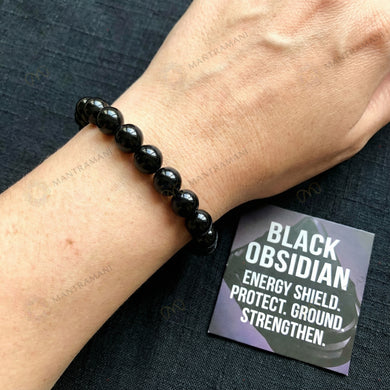
| Hematite | Grounding — weight you can feel on the wrist |
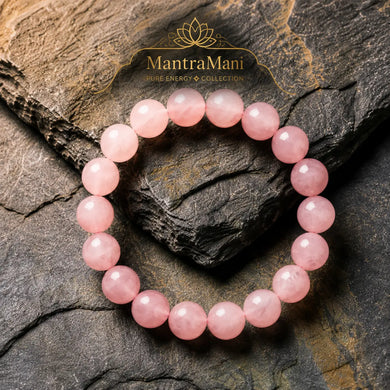
| Rose Quartz | Self-directed gentleness |
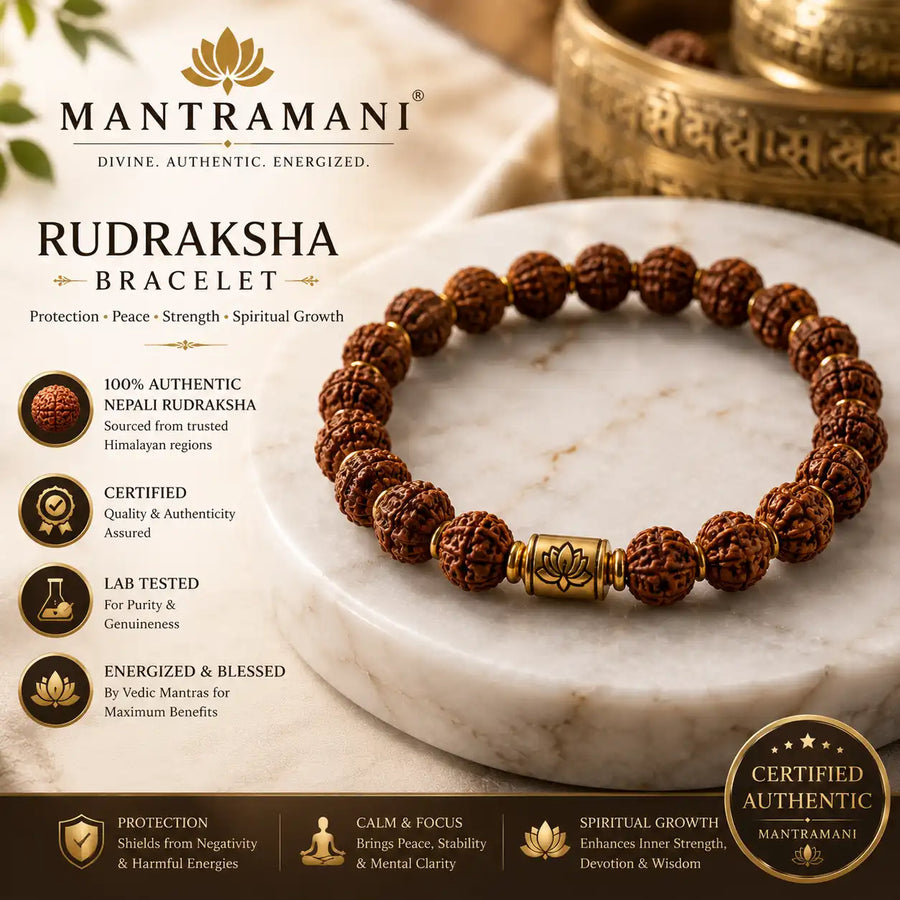
Most bracelets sit at ₹700–₹900. Browse the collection.
If you keep only one
Hematite on the wrist, amethyst by the bed. Those cover the two different problems — being unable to settle during the day, and being unable to stop at night.
How it is actually used
- Wear it where you can reach it. The tradition is that the stone is touched when the feeling arrives — a physical anchor. A stone in a drawer does nothing in any tradition.
- Weight helps. Part of why hematite is the usual choice is simply that you can feel it.
- One stone, not six. A single piece worn deliberately is closer to traditional practice than a collection.
Where this stops being enough
Plainly: if anxiety is affecting your sleep, your work or your relationships, speak to a doctor. Anxiety disorders are common and treatable, and a crystal is not a treatment. Nothing in Vedic or folk tradition claims otherwise — the claim that stones cure illness is a modern marketing invention, and in India it also carries criminal exposure under the Drugs and Magic Remedies Act.
What a stone can honestly offer is a moment of pause with something in your hand. Used that way, alongside proper help rather than instead of it, it is a reasonable thing to keep.
Frequently asked questions
Which crystal is best for anxiety?
Amethyst and hematite are the two most commonly kept. Neither is a treatment.
Does lepidolite really contain lithium?
Yes — it is a lithium-bearing mica. That is a fact about the mineral, not a claim about what wearing it does.
Can I wear several calming stones together?
Yes. Traditional practice holds that one worn deliberately does more than several worn by default.
Are crystals safe alongside medication?
Wearing a stone does not interact with anything. Do not stop or change prescribed treatment on the basis of a crystal.
Related reading
- Which chakra is blocked? Stones for each of the seven
- How to cleanse and charge crystals
- Crystal bracelet guide: types, benefits and how to choose
- Gemstone Finder: which gemstone should I wear?
Written by the MantraMani Gemstone Desk — our in-house sourcing and authentication team. Any astrological guidance here is reviewed by Dr. Padmaja Shastri, our in-house Vedic astrologer.
Gemstones and crystals are worn in Vedic and folk tradition as objects of faith. Nothing here is a medical, financial or outcome-based claim. See our disclaimers.